How to Lose Weight After 40 | A Doctor’s Guide That Actually Works
Weight loss becomes much harder after 40 because our bodies go through many physical changes. The numbers tell the story – 40% of U.S. adults struggle with obesity. These statistics make sense when you look at what happens to our bodies during this time. Our muscle mass naturally decreases, particularly in women after menopause. This change directly affects how well we burn calories.
Shedding pounds after 40 is still possible – it just needs a different strategy. Most adults can still aim for 1-2 pounds of weight loss weekly. Women over 40 need a diet plan that works with their changing bodies while building environmentally responsible habits. My years of practice have shown that people succeed when they do at least 150 minutes of aerobic activity each week. They also benefit from keeping track of their eating patterns to better understand their habits. On top of that, losing just 5% of your current weight can be an excellent first goal. This piece will show you practical, science-backed methods that really work to manage weight in your 40s and beyond.
Understanding Why Losing Weight After 40 Is Different
“If you’re over 40, you may have noticed that it’s easier to gain weight — and harder to lose it — than it used to be. Changes in your activity level, eating habits, and hormones, and how your body stores fat all can play roles.” — WebMD Editorial Team, Medical Editors, WebMD
Your body changes as you age, and losing weight after 40 becomes more challenging. This isn’t just your imagination – real biological changes make it harder. Let me explain why your body handles diet and exercise differently once you hit your forties.
Hormonal changes and metabolism slowdown
Your metabolism slows down by about 5% every decade after you turn 40. Here’s what that means: if your body burns 1,200 calories daily at rest at age 40, it will only burn about 1,140 by age 50. You’ll then just need to eat 100 fewer calories each day to maintain your weight, not even to lose any.
Women’s bodies go through major changes during perimenopause and menopause. As estrogen levels drop, fat starts collecting around the belly instead of hips and thighs. Men’s testosterone levels fall by 1-2% each year after 40, which makes their bodies less efficient at burning calories.
Muscle loss and its effect on calorie burn
Your body starts losing 3-5% of muscle mass every decade from age 30. This natural process, called sarcopenia, speeds up after 40 and really affects your metabolism.
Muscle burns way more calories than fat, even when you’re just sitting around:
| Tissue Type | Calories Burned Per Pound Per Day |
|---|---|
| Muscle | 35-50 calories |
| Fat | 5-10 calories |
A typical man might lose 5-10 pounds of muscle between 30 and 50, and women often lose even more. This creates two problems: your body burns fewer calories at rest, and you need harder workouts to keep the muscle you have.
Sleep disruptions and weight gain
Sleep problems become common after 40, especially with menopausal women. About 35-60% of women after menopause have trouble sleeping. Bad sleep makes it harder to control your weight.
Studies show that sleeping only 5 hours for 5 nights substantially decreases metabolism compared to 9 hours of sleep. People who regularly sleep less than 6 hours tend to have higher BMIs.
Poor sleep messes with your hunger hormones (leptin and ghrelin). Your appetite increases by 24%, and cravings for high-calorie foods jump by 33%.
Increased stress and emotional eating
Life gets more complex in your 40s. You juggle career pressure, kids, and maybe caring for elderly parents. Stress increases cortisol production, which makes your body store more fat, especially around your middle.
Many people turn to food for comfort. Research shows 38% of adults eat too much or choose unhealthy foods because of stress each month, and half do this weekly. After stress eating, 49% feel disappointed in themselves, and 46% feel bad about their body.
We reach for high-calorie, fatty comfort foods when stressed. These foods might feel good momentarily but lead to weight gain over time. Women tend to use food to handle stress more than men (30% vs. 24%).
These biological and lifestyle factors create the perfect recipe for weight gain after 40. Learning about these changes helps you develop better strategies to deal with them.
How to Adjust Your Diet After 40
Your diet is a vital part of losing weight after 40. Your nutritional needs change substantially during this time. Your body doesn’t process food like it used to, so you need smarter food choices that work with your changing metabolism.
Eat more vegetables and whole foods
Vegetables should be the foundation of your diet after 40. Fill half your plate with non-starchy vegetables like leafy greens, cucumbers, and bell peppers at each meal. This approach naturally cuts your calorie intake and keeps you satisfied. Research shows that eating more fruits and vegetables leads to weight loss in women.
Whole foods—unprocessed fruits, vegetables, and grains—pack more nutrients with fewer calories than processed foods. Plant foods rich in fiber are a great way to get slower digestion, better fullness, and stable blood sugar levels.
Reduce processed foods and added sugars
Cutting out ultra-processed foods helps you lose weight after 40. These foods pack empty calories that mess with your hormones and make you eat more—up to 500 extra calories each day! Processed foods usually contain unhealthy fats, added sugars, and sodium.
People who avoid added sugar, sweetened drinks, and refined grains gain less weight in midlife than those who eat sugary, starchy foods. Adding just 3.5 ounces of starch or sugar daily led to gaining 3 pounds and 2 pounds more over four years.
Choose healthy fats and lean proteins
Protein becomes more important after 40 to curb natural muscle loss. You need 20-30 grams of protein per meal to maintain muscle mass and feel full longer. This matters most at breakfast—doctors suggest eating at least 50 grams with your morning meal to fight menopausal weight gain.
Healthy fats from avocados, olive oil, and fatty fish help with weight loss by making you feel fuller. These unsaturated fats support heart health and help manage weight better than processed fats.
Watch portion sizes and meal timing
Portion control helps you lose weight after 40. People eat more food when they get larger portions. Instead of measuring everything, everyday objects can guide you:
| Food Type | Visual Reference | Approximate Serving |
|---|---|---|
| Vegetables | Baseball | 1 cup (25 calories) |
| Protein | Deck of cards | 3 oz (21g protein) |
| Healthy fats | Poker chip | 1 tablespoon |
Experts now recommend three substantial meals instead of frequent small ones. This helps your digestive system “clean house” between meals.
Limit alcohol and sugary drinks
Alcohol adds “empty calories” that lead to weight gain after 40. A 12-ounce beer has about 155 calories, while a 5-ounce glass of red wine contains 125 calories. Your body burns alcohol first as fuel, which turns extra glucose and lipids into fat.
Heavy drinkers struggle with long-term weight loss. One study showed that people who avoided alcohol lost 5.1% of their original weight after four years, while regular heavy drinkers lost only 2.4%. On top of that, it leads to poor food choices—alcohol can make you eat 24% more high-fat foods.
Exercise Strategies That Work After 40
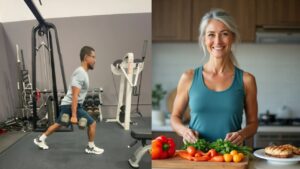
Your body naturally loses muscle mass after 40, making exercise essential for weight loss. Physical activity burns calories and helps curb many age-related changes that make weight management tough.
Start with low-impact cardio like walking
Low-impact cardio activities are the foundations of effective exercise after 40. Walking is an ideal choice because it’s easier on your joints than running but still gives great results. Walking outdoors can boost your mood and reduce stress, which benefits both your body and mind.
Beginners should target 150 minutes of moderate-intensity walking per week to meet CDC recommendations. You can make your walks more effective by:
- Switching between 1-3 minutes of faster walking and 30-60 seconds of slower recovery walking
- Walking on softer surfaces like tracks or trails to protect your joints
- Working up to 30-45 minutes of brisk walking five days each week
Incorporate strength training to build muscle
You can’t skip strength training after 40 because you start losing 3-8% of muscle mass per decade after turning 30. This loss of muscle directly affects your metabolism and calorie-burning ability.
A review in Advances in Nutrition showed that people aged 55-70 lost weight most effectively by combining strength training with fewer calories. Here’s how to start:
- Do 2-3 strength sessions weekly that work all major muscle groups
- Complete 2-3 sets of 8-12 repetitions for each exercise
- Focus on compound movements like squats, lunges, and push-ups
One expert explains, “Low-impact strength training keeps stress hormone levels low, so your body stays in a state where it’s easier to lose weight”.
Add flexibility and balance exercises
People often skip flexibility and balance training, but these exercises become more valuable after 40. They help prevent injuries, enhance mobility, and support your fitness goals.
Yoga and tai chi are excellent choices that pack multiple benefits. Studies show yoga helps people lose weight and improve their cardiorespiratory fitness. Tai chi can “improve coordination and balance while building and strengthening muscles”.
Schedule at least one flexibility session weekly as an active recovery day.
Create a weekly workout schedule
Results come from following a regular schedule. Here’s a balanced weekly plan:
| Day | Activity | Duration |
|---|---|---|
| Monday | Full-body strength training | 30-40 min |
| Tuesday | Low-impact cardio (walking/swimming) | 30-45 min |
| Wednesday | Flexibility/balance (yoga/stretching) | 20-30 min |
| Thursday | Strength training | 30-40 min |
| Friday | HIIT or cardio | 20-30 min |
| Saturday | Active recovery or light activity | Variable |
| Sunday | Rest | Complete rest |
Your body needs at least one full rest day for recovery, which becomes more important after 40. Studies show that consistency beats intensity—people who did at least one hour of physical activity daily managed to keep their weight loss over several years.
Lifestyle Habits That Support Weight Loss
“If you get most of your daily calories at lunch (before 3 p.m.), you might lose more weight than if you have a big meal later. But the most important thing is still what you eat, not when.” — WebMD Editorial Team, Medical Editors, WebMD
Your body changes after 40, and weight loss becomes trickier due to hormonal shifts. Diet and exercise help, but becoming skilled at certain lifestyle habits can make a real difference in your weight loss experience.
Prioritize quality sleep every night
Sleep is a powerful tool to manage your weight. Adults just need 7-9 hours of uninterrupted sleep each night. Poor sleep throws off your hunger-regulating hormones and makes you crave sugary, fatty, high-calorie foods. Studies show that sleeping an extra 1.2 hours helped people cut 270 calories from their daily intake.
Here’s how you can sleep better:
- Stick to a regular sleep schedule
- Create a calming bedtime routine
- Stay away from screens 30 minutes before bed
- Skip late-night snacks
Manage stress with mindfulness or hobbies
Your body releases cortisol when stressed, which leads to belly fat storage. Life gets extra stressful in your forties with work and family demands. To curb stress-related weight gain:
Try mindfulness practices like meditation, deep breathing, or reading a good book. You only need 10 minutes to lower cortisol levels and prevent stress eating.
Take nature walks or find other relaxing hobbies that give your mind a break from daily stress.
Practice mindful eating and avoid distractions
Americans spend 2.5 hours eating each day, but we’re distracted half that time. This absent-minded eating leads to weight gain and overeating.
Mindful eating means being present during meals:
- Put away TVs and phones
- Chew slowly and take breaks between bites
- Pay attention to hunger and fullness signals
- Use all your senses to enjoy each bite
Track your progress with apps or journals
Keeping tabs on your progress helps you stay accountable and learn more. You can track:
- Daily meals using apps like MyFitnessPal
- Different body measurements
- Photos to see your changes
Look at your patterns often to see what’s working and what needs to change. Note that tracking isn’t about being perfect—it helps you understand your body’s needs after 40.
When to Seek Medical or Professional Help
Your best efforts with diet and exercise might not be enough to lose weight after 40. Medical help can be the difference between ongoing frustration and successful weight management.
Get your thyroid checked if weight won’t budge
Your thyroid might be the problem if you’ve made consistent lifestyle changes without seeing results. Thyroid issues affect about 5% of people, mostly women and those above 60. An underactive thyroid (hypothyroidism) can make weight loss much harder. Look for signs like fatigue, joint pain, depression, and steady weight gain. A complete thyroid panel should check TSH, Free T3, Free T4, and thyroid antibodies. Your weight loss should return to normal once your thyroid levels balance out after treatment.
Think about hormone therapy for menopause symptoms
Hormone therapy (HT) helps manage menopausal symptoms that can affect your weight, though it’s not a direct weight loss treatment. Sleep problems and hot flashes often derail diet and exercise plans, and HT helps tackle these issues. Women who are less than 10 years past their last period and have moderate to severe symptoms respond best to HT. You might experience irregular bleeding at first, but this usually stops within six months.
Explore weight loss medications with your doctor
Your doctor might suggest weight loss medications if your BMI is over 30, or above 27 with conditions like diabetes or high blood pressure. These medications combined with lifestyle changes help people lose 3-12% more weight than lifestyle changes alone in the first year. The FDA has approved six options for long-term use, including semaglutide (Wegovy). Your doctor might suggest stopping the medication if you haven’t lost 5% of your starting weight after 12 weeks[253].
Join a support group or coaching program
Coaches and support groups offer accountability and customized strategies to lose weight after 40. Programs work best when they include medical providers, psychologists, dietitians, and lifestyle coaches. These experts can spot menopausal symptoms or other weight loss barriers and help you stick to behavioral changes.
Conclusion
Weight loss becomes more challenging after 40, but you can still reach your goals with the right strategy. This piece explores how your body changes during this time and why old weight loss methods might not work as well anymore. Your body goes through many changes – from hormone shifts to natural muscle loss. Understanding these changes helps create better weight loss strategies.
Your diet needs major adjustments after 40. The quickest way to support your changing metabolism is to eat nutrient-rich whole foods and cut back on processed items and added sugars. On top of that, adding strength training to your workout routine helps curb muscle loss that comes with age and keeps your metabolic rate steady.
Your lifestyle choices affect your weight loss trip after 40 by a lot. Quality sleep, good stress management, and mindful eating create the right conditions for your body to shed extra weight. Progress tracking helps you learn about what works best for your body.
Medical help might be needed even with your best efforts. A chat with your healthcare providers about thyroid function, hormone therapy, or weight loss medications could give you the breakthrough when lifestyle changes aren’t enough.
Success comes from consistency, not perfection. Small, green practices work better over time than extreme measures you can’t keep up. Your body needs different things now compared to your 20s or 30s, so be patient with yourself.
These proven strategies can help guide you through this new life phase, whether you’re starting your weight loss journey now or have tried for years. The real goal extends beyond weight loss – it’s about building vitality, strength, and confidence that will benefit you through your 40s and beyond.
Read More Blogs
Join Coach Eric on social platforms
FAQs
Q1. Why is it harder to lose weight after 40? After 40, hormonal changes, slower metabolism, muscle loss, and lifestyle factors make weight loss more challenging. These changes affect how the body processes food and burns calories, requiring adjustments to diet and exercise routines.
Q2. What dietary changes are most effective for weight loss after 40? Focus on eating more vegetables and whole foods, reducing processed foods and added sugars, choosing lean proteins and healthy fats, and watching portion sizes. It’s also important to limit alcohol and sugary drinks, as these can contribute significantly to weight gain.
Q3. How should exercise routines be adapted for weight loss after 40? Incorporate a mix of low-impact cardio (like walking), strength training to build muscle, and flexibility exercises. Aim for at least 150 minutes of moderate-intensity exercise per week, with 2-3 strength training sessions included.
Q4. What lifestyle habits support weight loss after 40? Prioritize quality sleep, manage stress through mindfulness or hobbies, practice mindful eating, and track your progress. These habits help regulate hormones, reduce emotional eating, and provide accountability in your weight loss journey.
Q5. When should someone seek medical help for weight loss after 40? Consider consulting a healthcare professional if you’ve made consistent lifestyle changes without results, experience symptoms of thyroid issues, struggle with menopausal symptoms, or have a BMI over 30 (or 27 with weight-related health conditions). They can provide personalized advice, including hormone therapy or weight loss medications if appropriate.